How do Vets make a call?
Below, are the steps that veterinarians may take to not only analyze the animal, but also diagnose, plan treatments, and perform procedures/follow-through with the treatment plan. It is important to keep in mind, however, that this research is collected through interviews with various veterinarians, as well as from credible sources online, but each veterinarian is different. Each vet operates differently, and that is the beauty of the field of medicine, so everything provided below is just an understanding and brief overview of the basic process.
Analysis
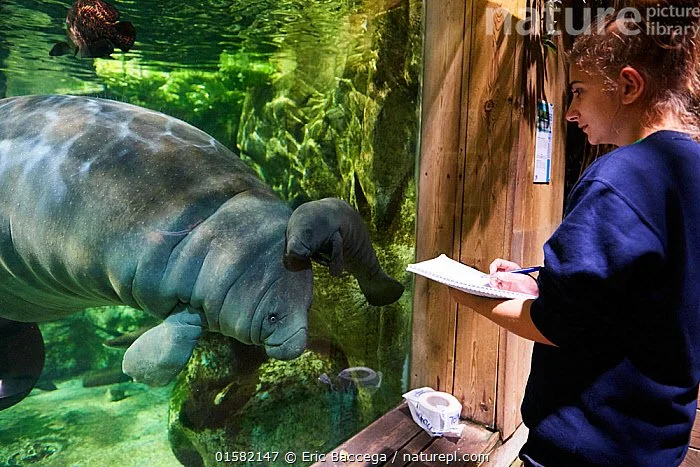
The first step in a veterinarian’s job to help an animal is to analyze them and determine if they need help at all. The first step is always known to be hardest, and animal medicine is no different. Many animals don’t show that they are in pain or that they need help as a survival instinct, so if anything really stands out with the animal, it should be examined asap as the issue may have escalated too much already. However, how will vets catch it before it is too late? They observe behaviors and appetite changes, as well as consider environmental factors including a change in the enclosure or a recent move. They also mainly use the information from the zookeeper/owner of the animal for better understanding of patterns and what abnormal is for the animal since each animal is different (and have their own quirks).
Diagnosis
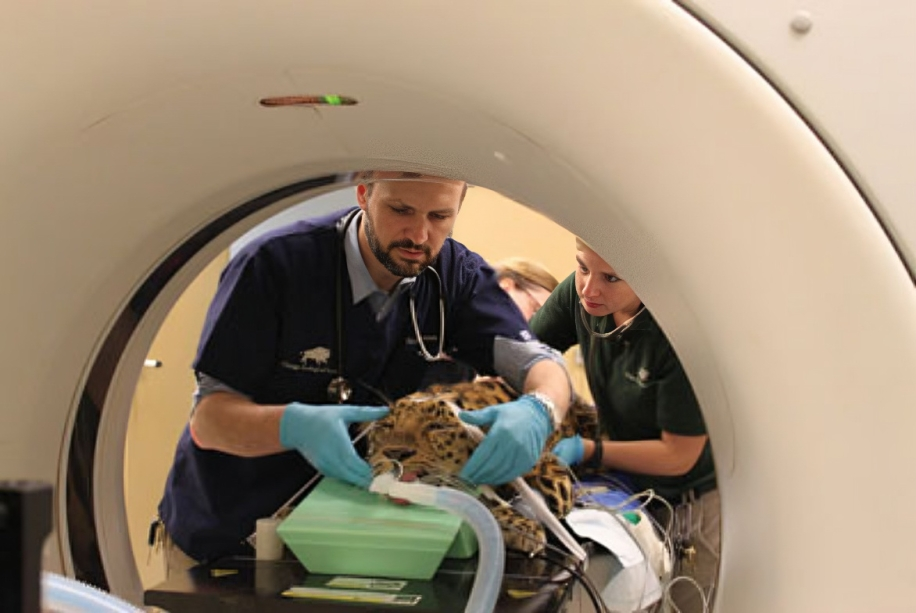
The process of diagnosing an animal, especially in Zoo medicine, takes precision and good decision-making skills. When Vets make a diagnosis they use information from their observations about the animal’s behavior, injuries, appetite, and more, and they pair it with results from medical tests. Some of the most important tests are blood tests. They give veterinarians a lot of information regarding the state of the animal’s body at present. When veterinarians are able to combine the results from the observations and blood test, that is when a diagnosis is made. Often veterinarians need additional tests which can include X-rays, CT scans, ultrasounds, and more blood tests.
Treatment Plan
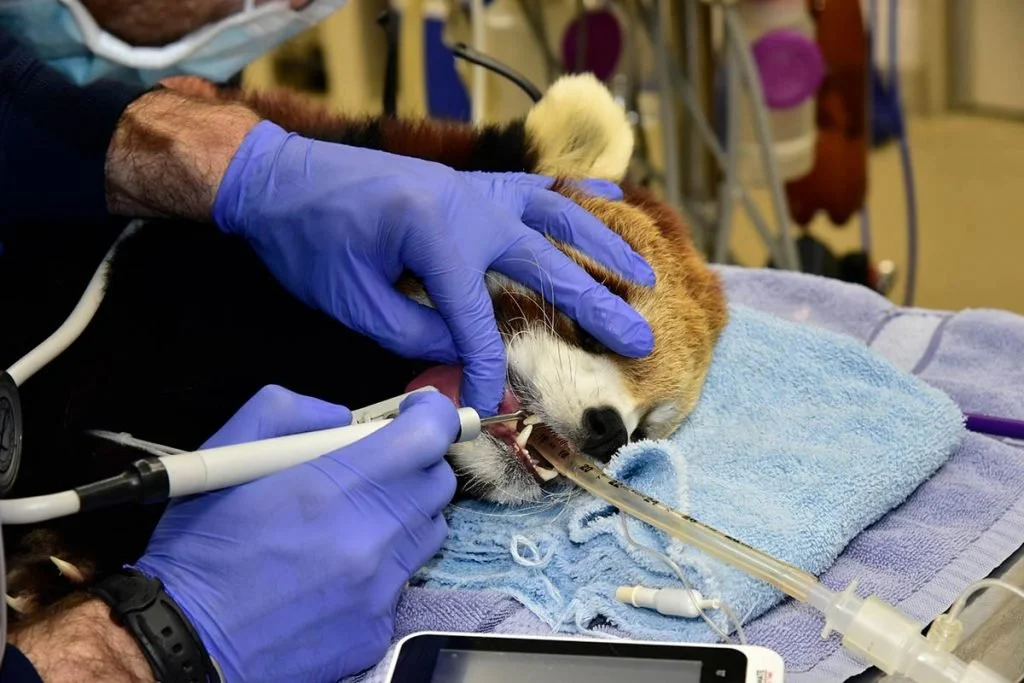
When it comes to making a treatment plan, veterinarians take their diagnosis and determine the severity of the illness or condition. This allows for the vet to then decide what medication to give, the dosage, and reanalyze any risks or side effects from the plan. In medicine, everything has a side effect, but being able to make a decision which will benefit the animal more than harm it (either in the present or future) is one of the challenges of the job. This is important to consider since if a treatment plan works very fast but requires high dosages to be taken in small intervals (risking the health of the animal), it might not be worth it. That’s why this is one of the most crucial parts of the process, which requires good judgment.