Similarities and Differences
Between the Specialization of Zoological Veterinary Medicine and general Veterinary Medicine
Vet Med
Education
To become a normal veterinarian which can practice on small animals (dogs and cats), livestock (pigs, cattle, etc), horses, and pet exotics (guinea pigs, snakes, etc), a 4 year undergraduate degree and 4 years of vet school to get a doctorate of veterinary medicine are required. This allows for a thorough training in working with all kinds of species and learning about what could go wrong medically.
This training is also required to become a zoological veterinarian, but it is important to have additional specialized education (as explained on the right).
Zoo Med
Education
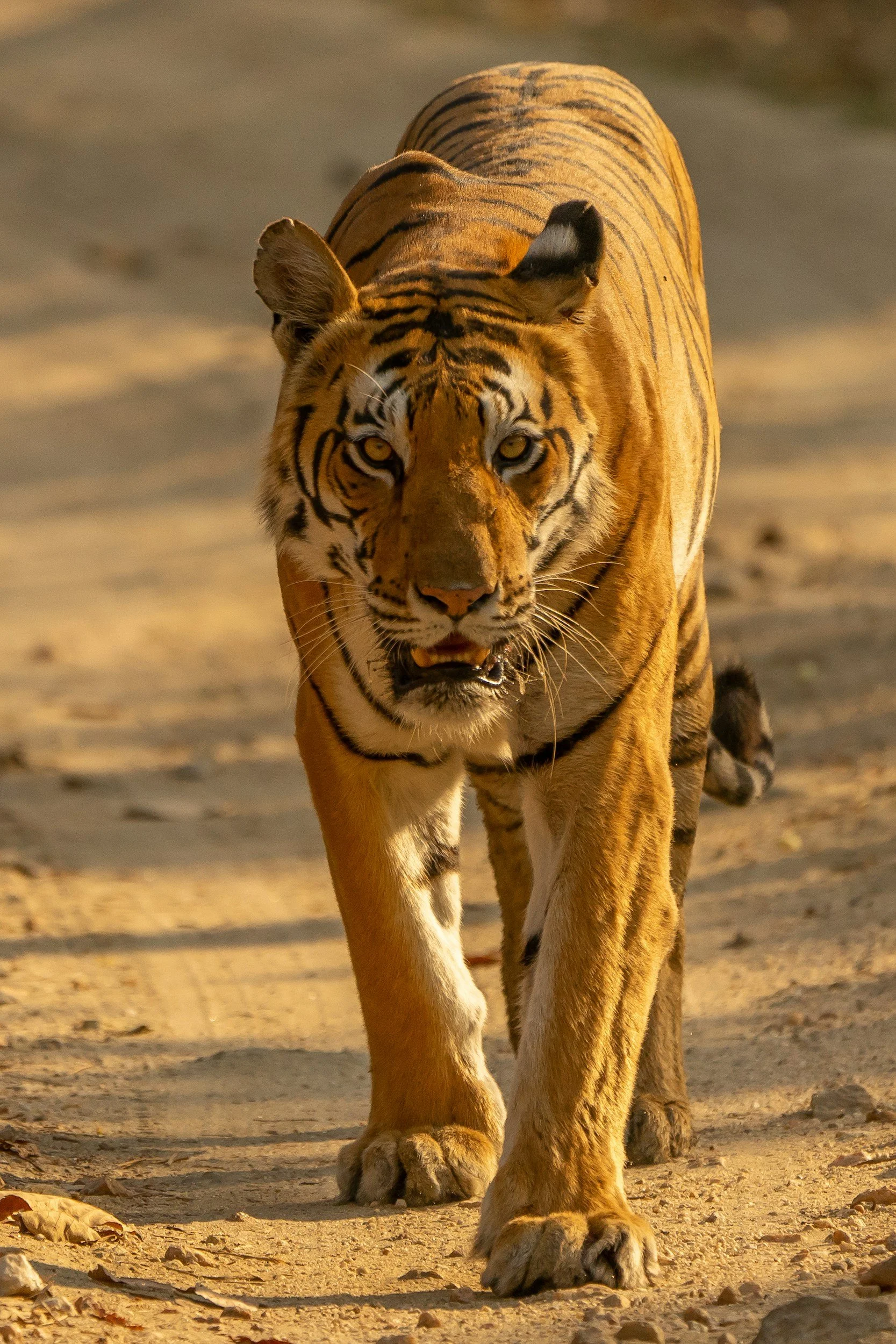
Technically, you can work on wildlife (which includes zoo animals) without specializing in zoological medicine. However, due to how competitive this field of vet med has become, most larger zoos give preference to boarded specialists in zoological medicine, and The American College of Zoological Medicine (ACZM) provides this specialization.
To become board certified, there are two paths you can take. One path includes doing a rotating internship for 1 or more years, then a specialty internship for 1+ years, as well as a ACZM approved residency of 3-4 years, for which then you can apply to become board certified. These training programs provide mentored, hands-on experience with the species zoo vets treat, such as hawks and giraffe, since there is not as much exposure to these species in veterinary school. Another path is the experience route. This path includes working in the zoo medicine field full-time for 6+ years, and then applying to do the exam (to become board certified).
Both paths require candidates to write three scientific papers accepted by peer-reviewed scientific journals plus passing an incredibly difficult two day exam.
Scope
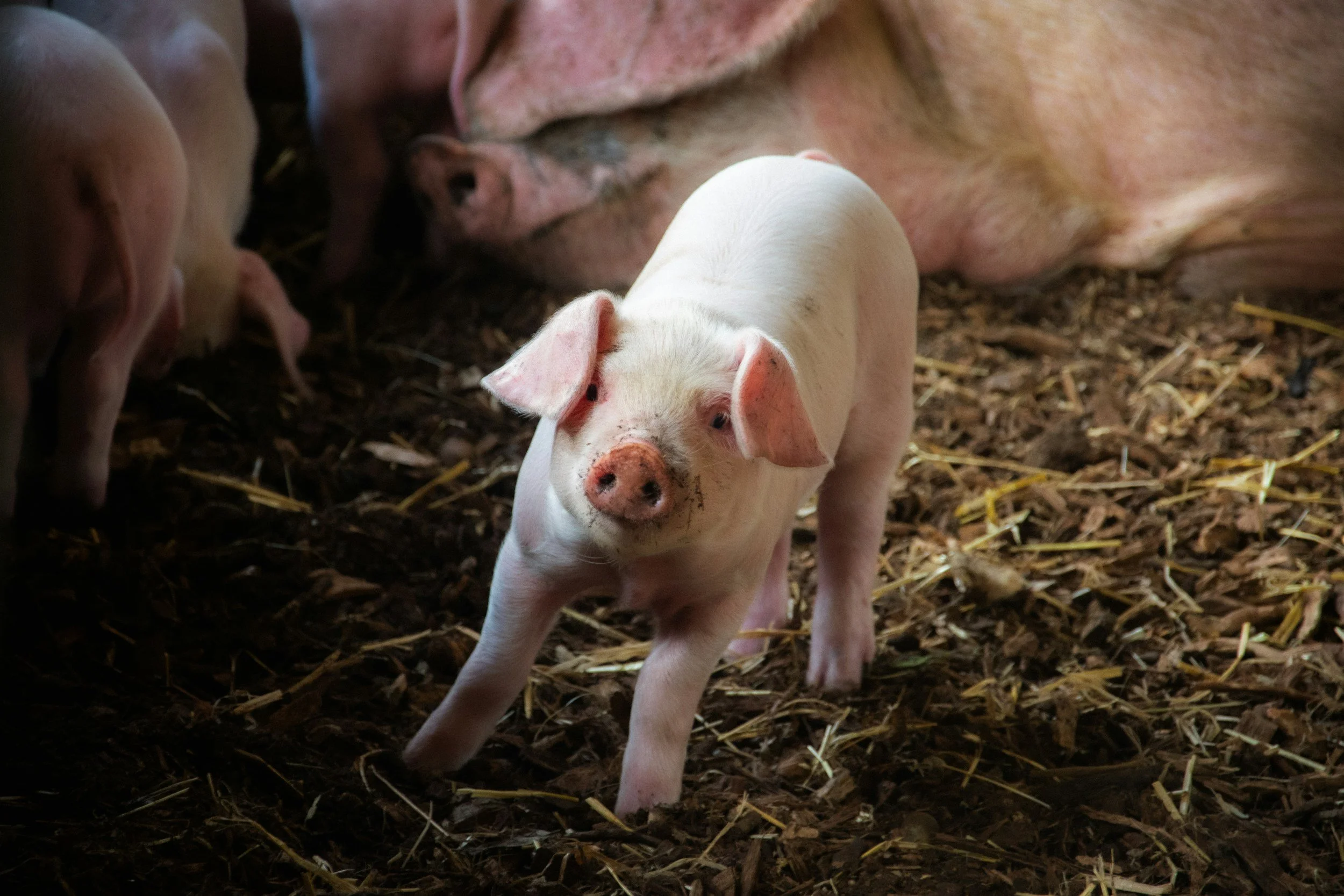
In general Veterinary Medicine, many veterinarians’ main focus is diagnosing and treating one individual animal at a time. Veterinarians who work with domestic species interact with owners and farmers, and provide client-centered care. A lot of the treatment plans are influenced by owners’ finances and preferences. Most of the curriculum of veterinary school is designed to prepare students for working with domestic species. Farm vets, swine vets, poultry vets, and shelter vets also have to consider the whole “herd” and herd health, but those considerations are covered in veterinary school.
Zoo Medicine however, is very different from domestic veterinary medicine.
Scope
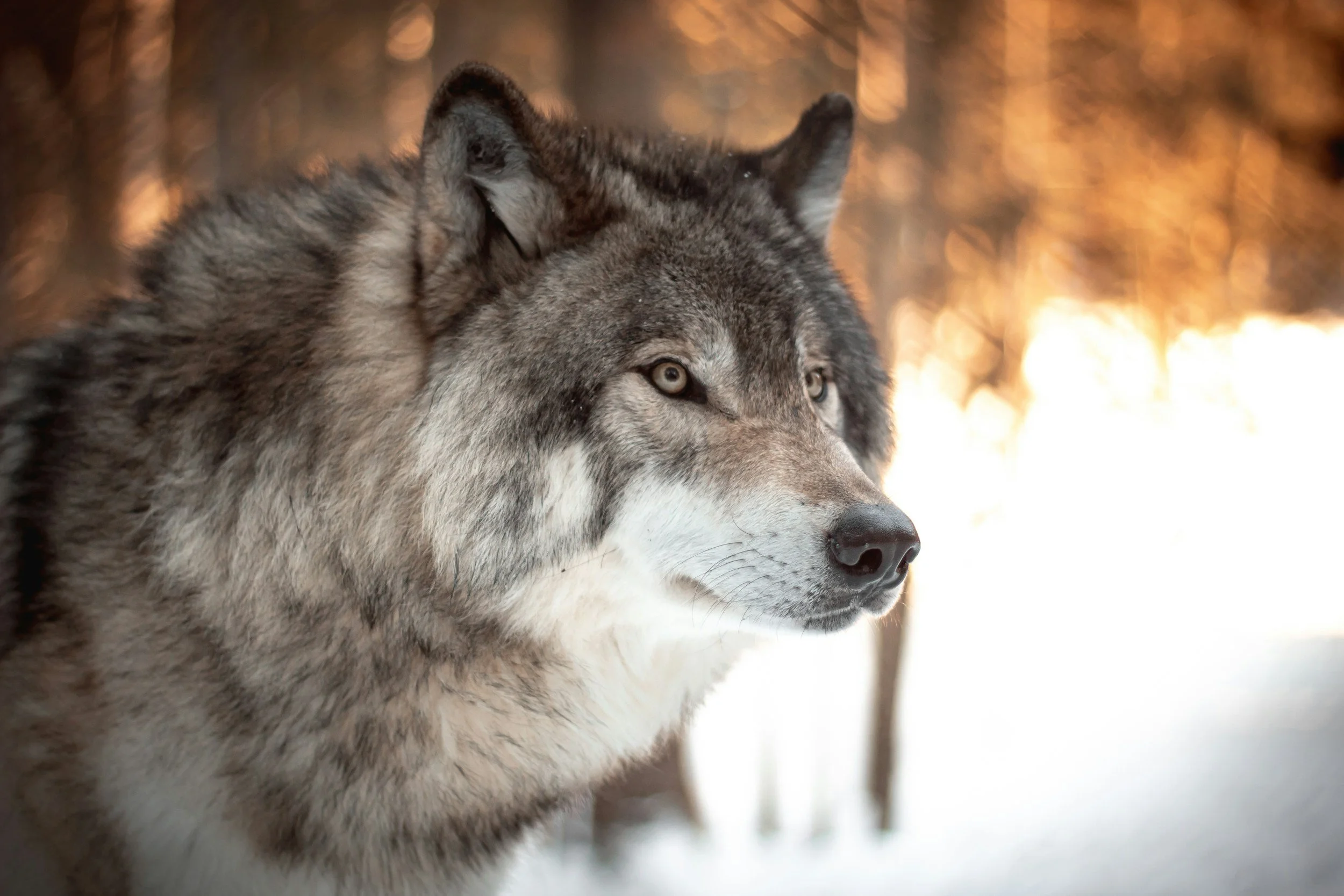
In Zoological Veterinary Medicine, the veterinarians must not only focus on the health of an individual animal, but also on the health of the population and sometimes the health of the entire species. With endangered species, a few zoos might care for most of the remaining animals left in a species. It is important that Zoos maintain healthy populations, since breeding and maintaining a diversified gene pool is an important part of keeping species numbers healthy. Since zoo animals are still wild, they often need to be under anesthesia for exams and diagnostic testing. Tasks can be easily done with domestic species often require anesthesia in zoo species.
They must observe if there are disease outbreaks and monitor the health of the herd or flock. They must also focus on protecting endangered species and supporting breeding programs (which is unlike small animal medicine since they are highly against backyard breeding).
Work Environment
When it comes to working in general veterinary medicine, the possible work settings normally include a clinic-setting and maybe an agricultural setting in a farm or barn-type setting. These settings are structured for humans.
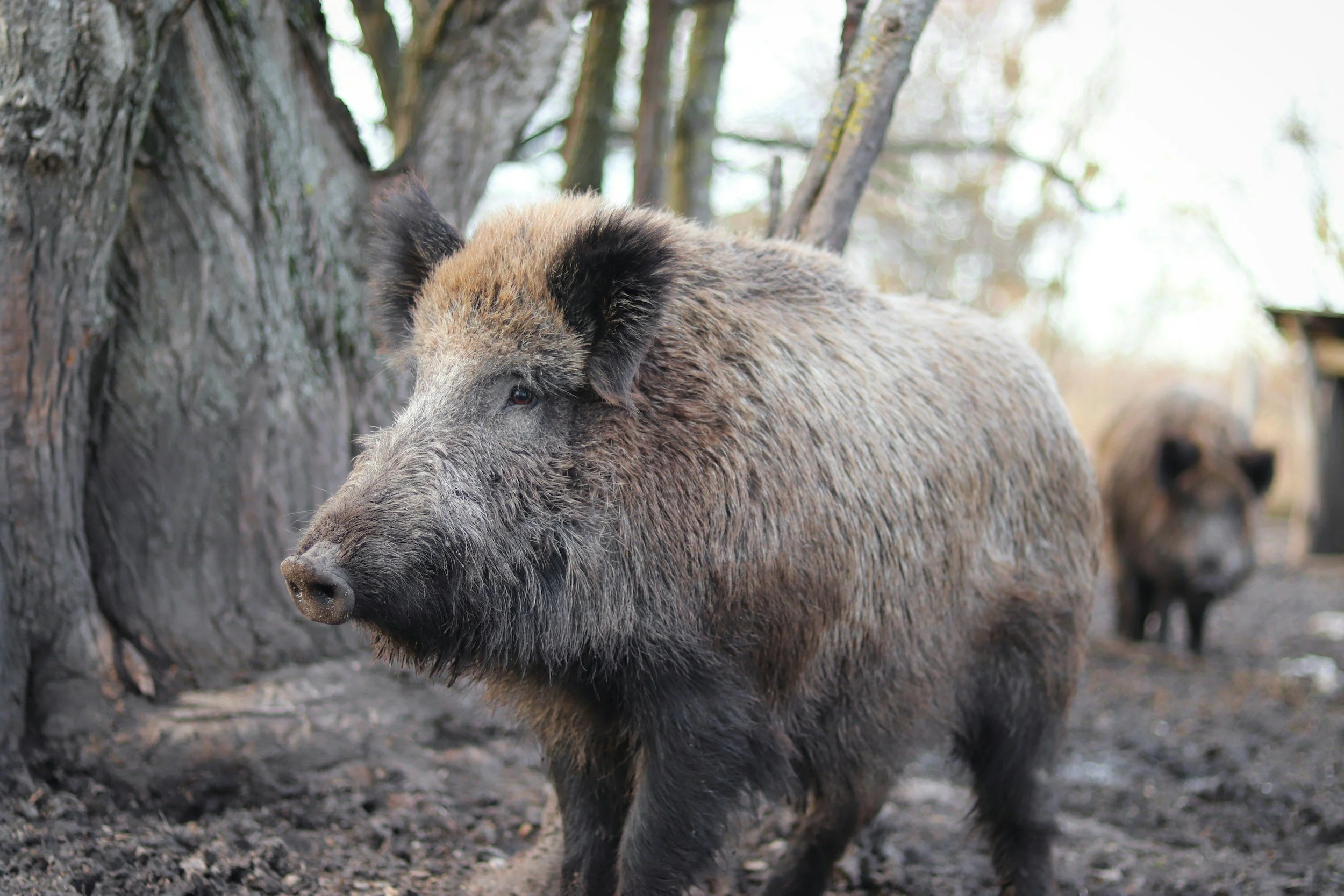
For example, clinics are areas which animals come to be treated, so much of the equipment and area is designed to be easier for humans to access needed materials and work in a more familiar environment. This can also be applied in livestock medicine where vets normally go to barns where although these areas may be less designed for humans, they are generally easy for humans to work with animals and diagnose them.
In general, many small animal vets (general) work in one location (such as a clinic or hospital), making their work-day a bit more consistent. However, farm animal vets are often “ambulatory” meaning they travel to the farms and barns and work out of their trucks loaded with supplies, so that is one thing to consider in livestock medicine.
Work Environment
Zoological medicine can be a combination of clinic work like small animal medicine and outside ambulatory work like farm animal medicine. The work environment can vary depending on the day, animal, and procedure/diagnosis. This can lead to a very unpredictable work schedule, and is a key factor in Zoo Medicine, as every day can feel like a day in ER medicine. That’s why it is so important for vets to be flexible, as each case doesn’t normally fall into specific time blocks on their calendars.
Another major part of the difference in work environments is that zoo settings are built around animals needs instead of humans, therefore trying to make a diagnosis without putting them under anesthesia and just by observing can prove to be challenging. One thing that makes the process a little bit easier however is the zookeepers. They are like the “owners” of the animals. They have a constant eye on their animals and are the first to report to the vet if anything is wrong.
Overall, Zoo Medicine comes with a lot more unpredictability, as well as more unfamiliar work settings, as it can widely vary.
People/Collaboration
In General Veterinary Medicine, the majority of the communication happens with other veterinarians, staff (veterinary technicians, hospital managers, etc.), and clients. This beats the common misconception that if you become an animal doctor, you don’t have to work with people. Working with clients is actually a huge part of the job, as communicating with the owner of the animals is incredibly important.
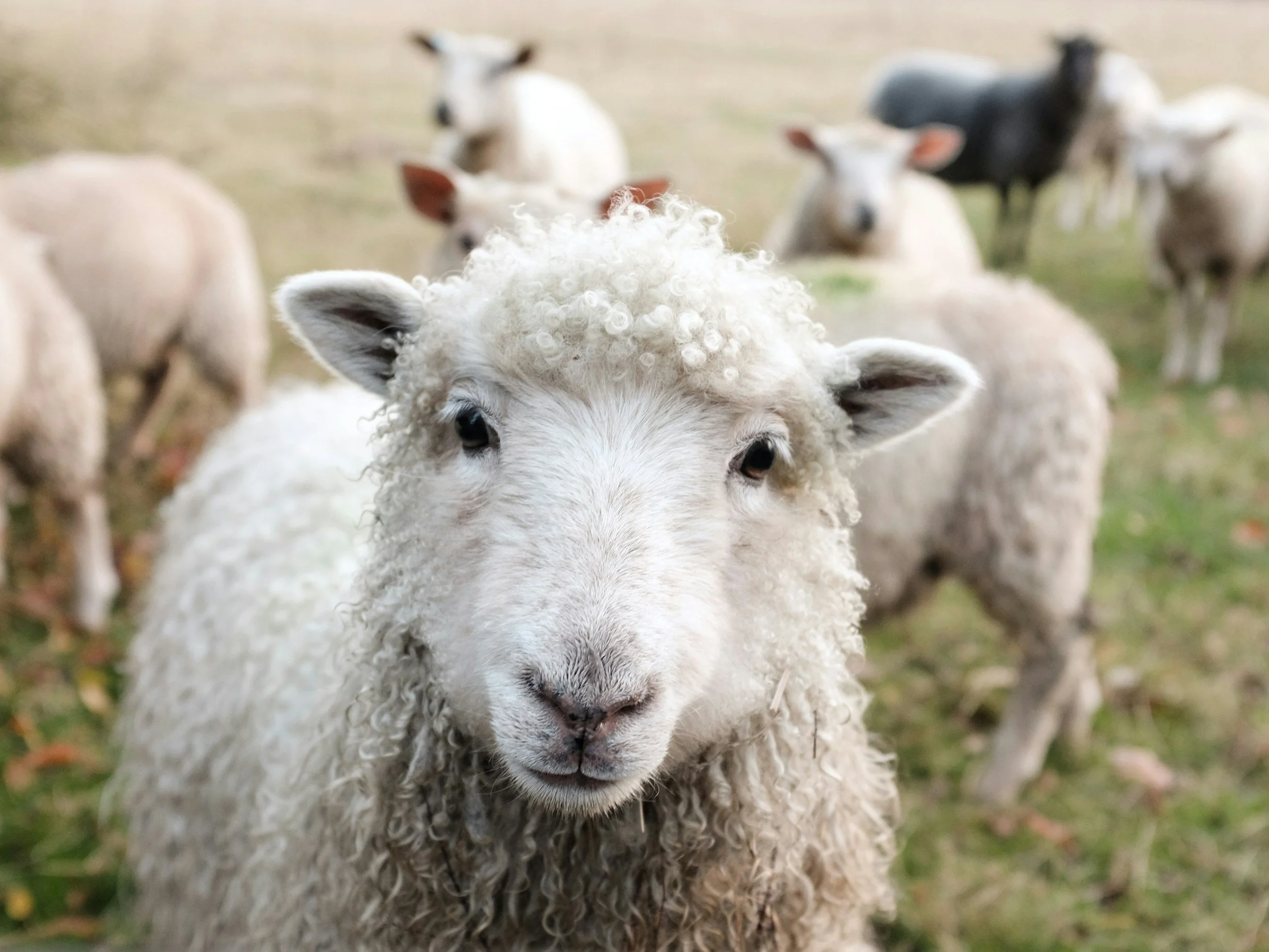
Small animal veterinarians and livestock vets generally have a consistent group of people that they communicate with, as the normal work environment is a private practice (with the same staff) or a barn/farm area (with the same people).
The decision-making aspect of general vet med is also very centralized. Each veterinarian has their own clients, which they diagnose on their own (occasionally asking their colleagues about unsure cases). However, it is a little different in zoo medicine.
People/Collaboration
In Zoological Medicine, the communication is incredibly high. Although the name may be deceiving and trick you into thinking that there may be less communication since are no “owners,” that is a fallacy. Zoological veterinarians actually have to communicate with many people to diagnose and treat animals.
Zoo vets must speak with the zookeeper (the equivalent to an owner in small animal medicine), who updates the vet on the animal’s quality of life, behaviors, and any changes. These changes can be in anything: temperament, eating patterns, appearance, etc. They need to discuss the cases with the curators and sometimes obtain permission from the curators to proceed with diagnosis and treatments. Zoo vets also speak with their colleagues, since not everyone knows everything medical about every species in human care.
Many factors are considered before doing a procedure on an animal, and before formally diagnosing them as well. For larger, more complex cases or procedures, they might need to speak with the zoo’s director or management team to come up with an idea of what may have happened and what to do next.
Another commonly overlooked factor is that zoo veterinarians also have to speak with zoo guests. This can happen when the zoo organizes different events with a vet appearance, as well as on a simple walk to check on the animal in its enclosure (when open to the public eye).