Aquatic Veterinary Medicine
White Spot Disease
Fish
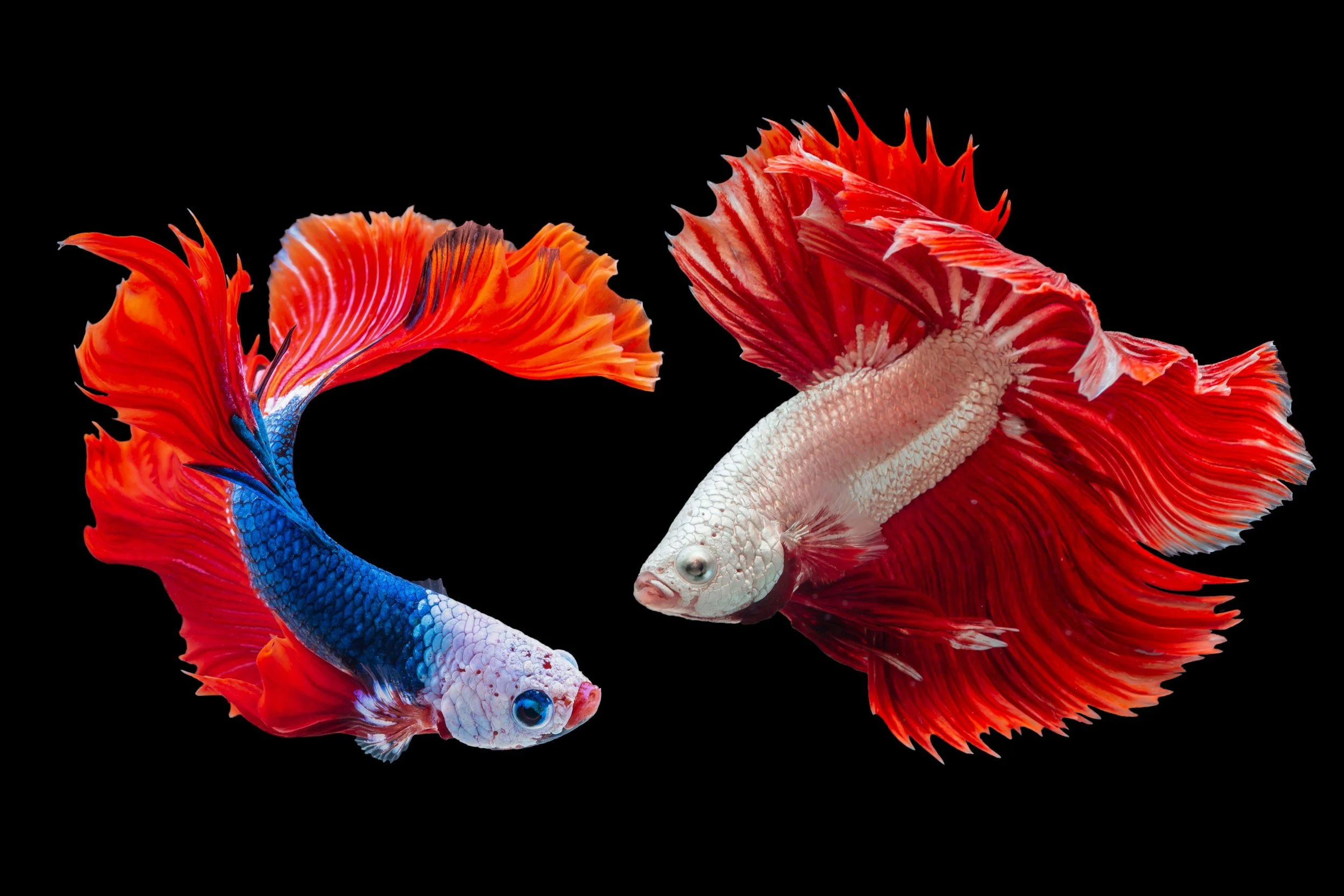
Some common fish that have health problems that normally go unnoticed include Beta Fish, Koi Fish, Goldfish, etc. Below are some of the most seen health problems, as well as a few sources for ones who want to take a deeper dive.
Common Health Problems: Parasitic Infections:
White Spot Disease:
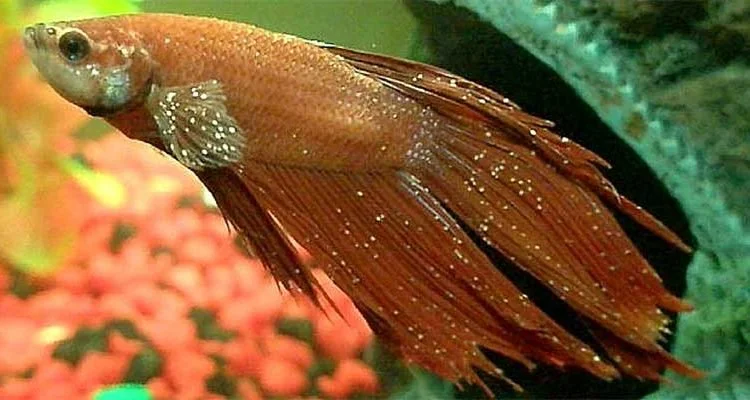
White Spot Disease is a disease that a fish gets when the parasite Ichthyophthirius multifiliis (nicknamed Ich) enters and feeds of its host’s body.
Some symptoms include scratching, extreme lethargy, visible white spots on the patient’s body, and rapid breathing.
Common ways that veterinarians can treat this is through a medicated bath or by raising the water temperature. The medicated bath is where the vet adds formalin and copper-based treatments into the fish’s water. This allows for the free floating parasites to be killed before being able to infect another fish. Increasing the temperature of the water speeds up the life cycle of the parasite. This allows for them to leave the fish faster and die off.
Flukes:
Fish Flukes are flatworm parasites, similar to liver flukes, which attach to the skin and gills of the fish. They are incredibly small, and can be very difficult to see without a microscope.
This can lead to all sorts of symptoms and issues, including gill damage (due to the flukes constantly sucking on the gills and skin), as well as flashing (rubbing on surfaces), and breathing issues (due to the obstruction on the gills).
Two of the most common treatments are medicated baths and anti-parasitic medications. The medicated bath allows for the free floating flukes to be killed, preventing them from being able to attach to another host. One medication that can be given outside of the medicated bath is Praziquantel. This medication disrupts the calcium levels of the parasite, and leads to muscle spasms and paralysis. This leads to the parasites losing grip of their host, and eventually dying off.
Velvet Disease:
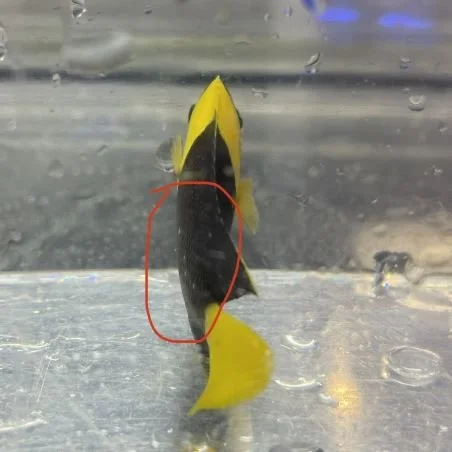
This disease can have different parasites depending on if it is fresh or saltwater. For Saltwater, the parasite causing velvet disease is Amyloodinium ocellatum, however for freshwater, the parasite is Oodinium (or Piscinoodinium). It is also highly contagious and important to treat as soon as it is diagnosed/identified.
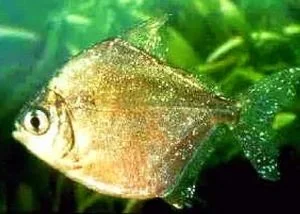
Some symptoms for this disease include clamped fins (fins held very close to body and very stiff), extreme lethargy, and difficulty breathing. One of the main indicators however is these parasites give the fish a gold look that looks like they have been dusted with gold powder.
Some common treatments include adding copper directly into the tank. Copper is toxic to the parasite and will kill them by damaging their cell membranes and metabolic processes. Another aspect which helps better the results of treatment is reducing light in the tank. This means dimming the actual tank lights, as well as turning off ant extra light fixtures on the tank. This helps because it weakens the parasite (as they use light for energy) and slows reproduction.
Shell rot in a red-eared slider
Paranannizziopsis in a snake
Aquatic Reptiles
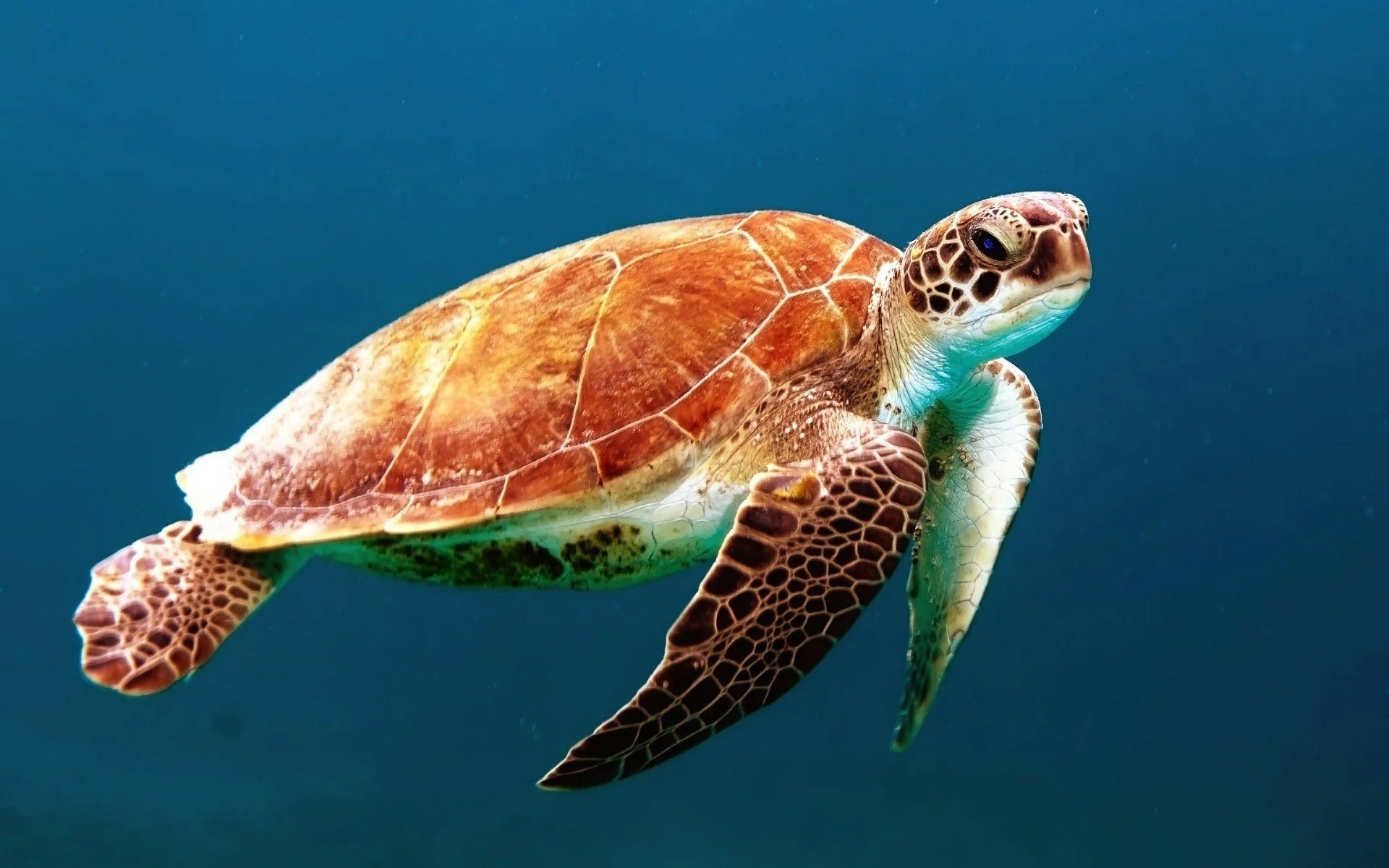
Aquatic and Semi-Aquatic Reptiles such as the Red eared slider, painted turtle, water snake, etc, are prone to many health issues. Parasitic diseases and skin-related issues are of the largest concerns with these types of animals. Below are some of the most seen health problems, as well as a few sources for ones who want to take a deeper dive.
Common Health Problem in Turtles:
Shell Rot:
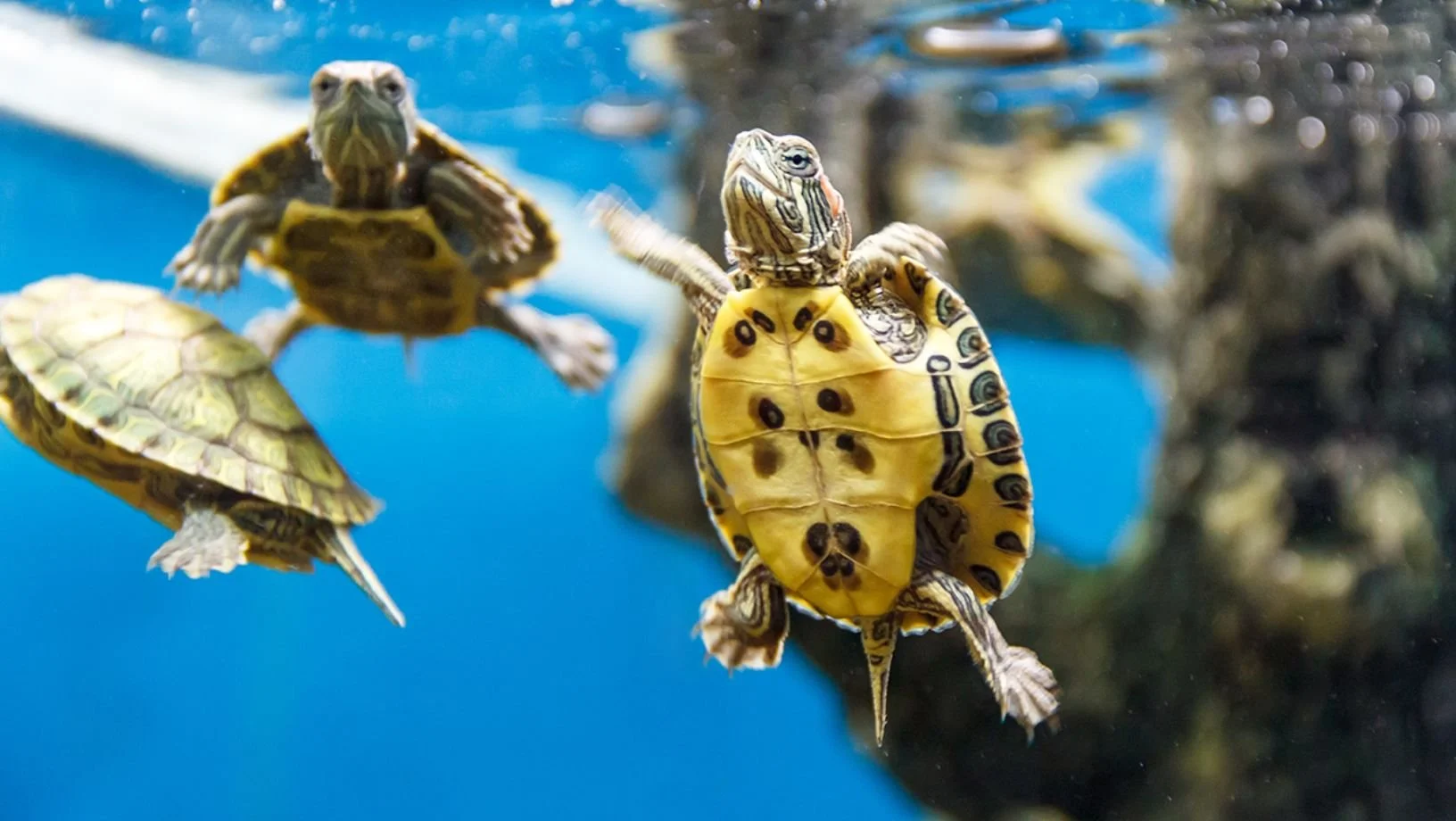
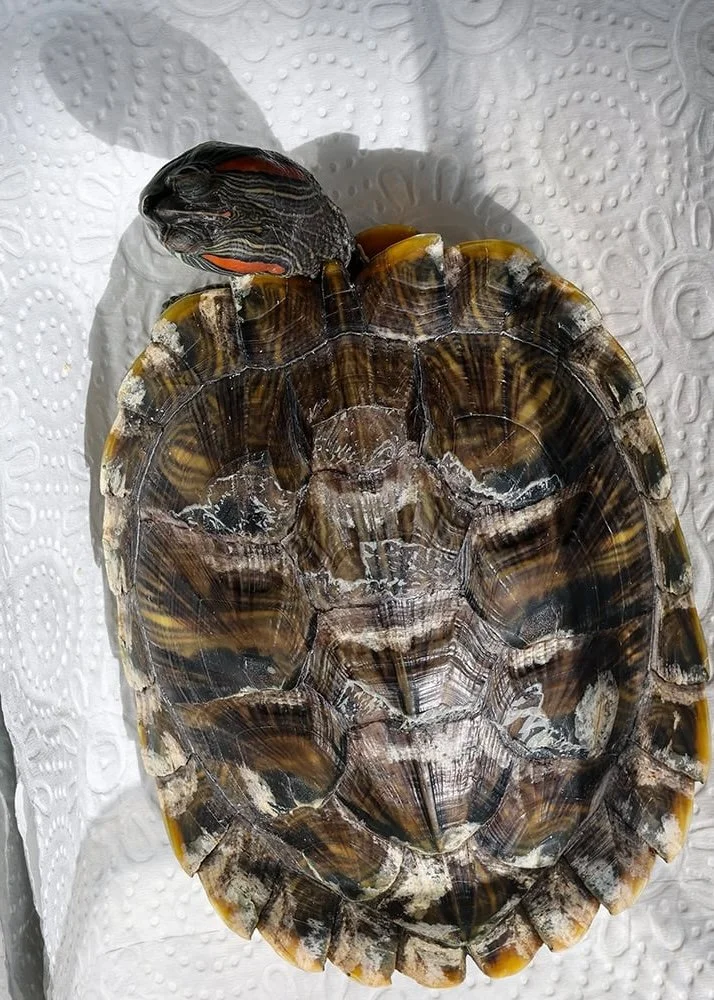
Shell rot is a huge problem among aquatic and semi-aquatic amphibians such as the red eared slider and the painted turtle. It is the infection of the outside of a turtle’s shell. It is usually caused by a build up of bad bacteria and/or fungi. This buildup can happen for a variety of reasons, but it normally happens when a small cut or scratch becomes infected and spreads, or when the scutes don’t shed properly (the outer shell plates).
Some symptoms of shell rot include a softer shell. When all the bacteria and fungus infects the shell, it leads to the shell losing that hard, protective covering. Instead soft spots develop, defeating the purpose of the shell. Another symptom includes discoloration. This is when the shell also develops spots of different color than the original shell. Lastly, another telling factor that something is wrong with the shell is when there is observable cracking, pitting, and an odor. All these are telltale signs that something is seriously wrong.
The treatment plan for Shell Rot is very straight forward. First the vet cleans the shell and removes dead and infected tissue from the area. After the area is cleaned up, topical medications are used to help treat the shell, such as antiseptics and/or anti-fungal medications. For deeper infections that are very painful and disrupt quality of life a considerable amount, antibiotics are used. It is also important to put into place prevention plans so such things don’t happen again. Some ways to prevent the shell rot from flaring up again is cleaning+monitoring the water regularly, also ensuring a proper basking area (to dry off and keep the shell healthy), as well as setting up UVB lighting.
Common Health Problem in Tentacled Snakes:
Paranannizziopsis:
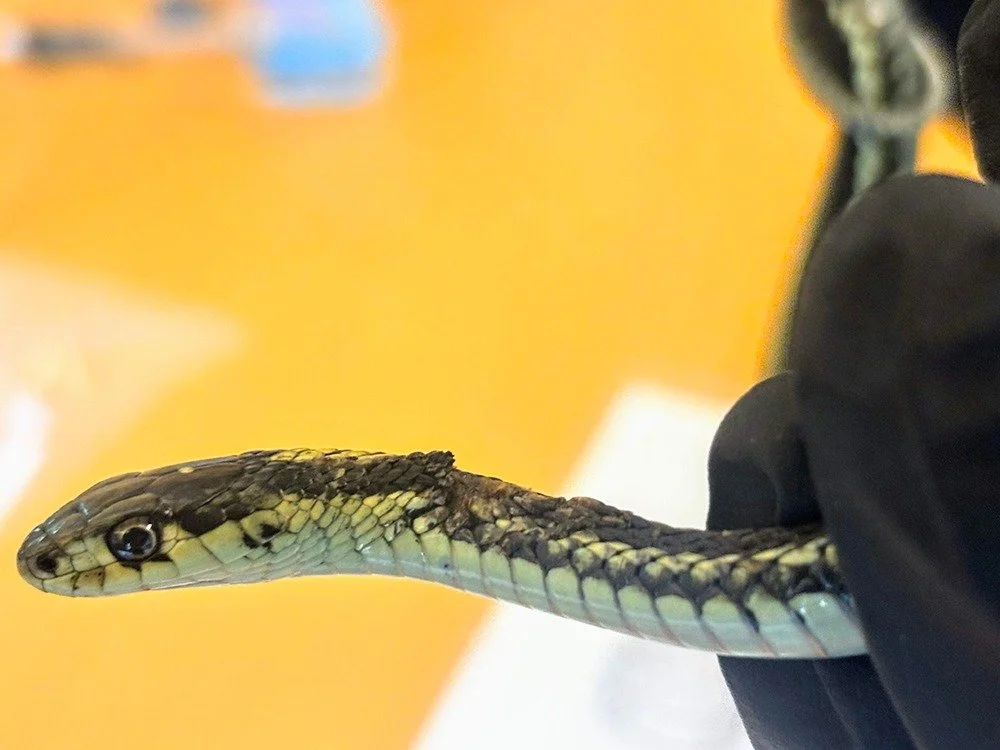
Paranannizziopsis is a fungal disease which is very common in tentacled snakes. One of the reasons it is more common in tentacled snakes is because since they live underwater, there is constant moisture on their skin. This constant moisture can lead to the fungus forming more easily and affecting the skin and/or outer tissue layer.
Some symptoms include discoloration, which leads to the skin turning into colors such as yellow and brown. These abnormal colors can signal to other symptoms such as a crust forming on the skin. This may also lead to the skin becoming thicker in certain areas (uneven patches/no pattern). 2 other major signs are skin lesions or ulcers. These are the identifying signs that the animal may be suffering from a fungal disease, as well as the symptom of shedding problems.
The main treatment that veterinarians use is anti-fungal medications. This medication can be given orally or through a topical medication (it depends on the severity of the disease as well as the comfort of the patient and veterinarian). It is also important to treat the lesions and ulcers to prevent the fungal disease from growing and recontaminating the area. Along with the medications and treatments, it is important to provide appropriate husbandry and water quality and mimic the natural environment as much as possible. This means monitoring water quality, water temperature, and water acidity.
Fish Flukes
Velvet Disease

Dolphin being treated for a respiratory infection

Marine Mammals
Many marine mammals that are commonly seen in Zoos and Aquariums, such as Dolphins, Seals, Sea Otters, Sea Lions, and more, are susceptible to common health problems. More specifically, these marine mammals which live in zoos (controlled habitats) are prone to respiratory illnesses/infections, as well as skin diseases. In the wild, these animals would also be at risk of parasitic infections, but since they live in an area in which they are closely monitored, the likelihood of them getting infected by parasites and it becoming a serious health concern is slim.
Common Health Problem in Bottlenose Dolphins:
Respiratory Infection:
Dolphins, more specifically bottlenose dolphins, are at a high risk of getting a respiratory infection. This is normally caused by bacteria or fungus in the lungs affecting the dolphin’s respiratory system/ability to breathe. This can develop from poor living conditions, such as low water quality, or a weakened immune system, as well as through stress (commonly when being transported to different locations
Some common symptoms include abnormal breathing (this can either be labored breathing, or rapid), as well as decreased activity/energy levels due to lethargy and difficulty breathing. Another symptom that can be observed in certain cases is visible nasal discharge or coughing. These symptoms allow for the vet to develop a clearer understanding of what is going on with the animal, and come up with a fitting treatment plan.
Some ways that veterinarians are able to treat this disease is through antibiotics or anti-fungal medications (which are given either orally or through their food). It is also important to perform blood tests to check for the WBC (white blood cell count), to check if the body is still fighting off an infection.
Common Health Problem in harbor Seals
Skin Infection:
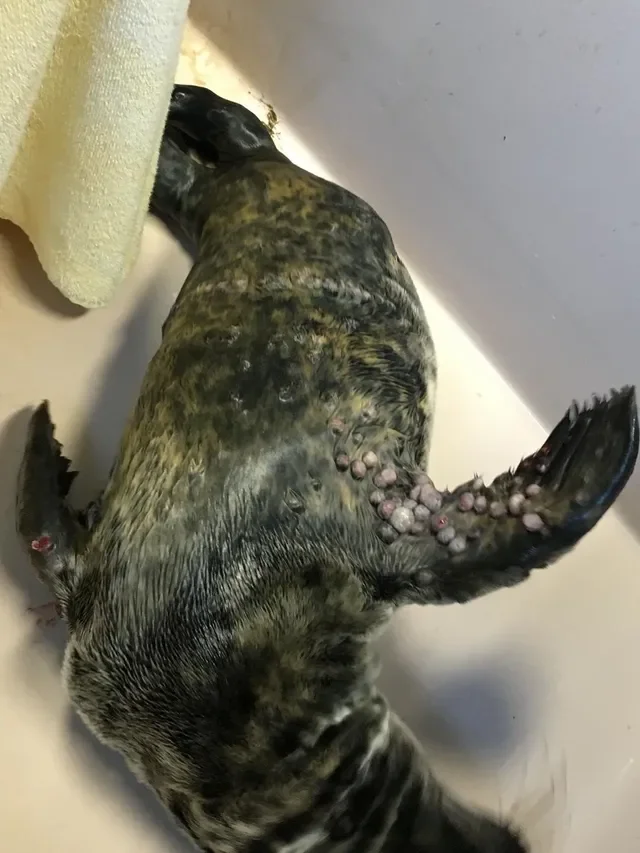
Harbor Seals are very prone to getting skin infections, and this is because of the constant moisture that interacts with their skin and outer tissue. It can also come from injuries which get infected (when they play around, fight, or get hurt from something in the enclosure).
Similar to reptiles, when a skin infection occurs, its symptoms include lesions and ulcers on the skin. They can be painful and quite uncomfortable for them, so a change in temperament and increased itching can also be a sign to check. Another symptom is discolored patches on the skin (in a yellow or abnormal brown color).
The best way to treat Skin Infections is by applying an anti-fungal or antibiotic medications to help target specific areas which have been affected. It is also important to clean/treat the lesions on the skin to prevent re-contamination/infection. Maintaining proper water quality and a clean enclosure also helps prevent it from happening again.
Sealpox